
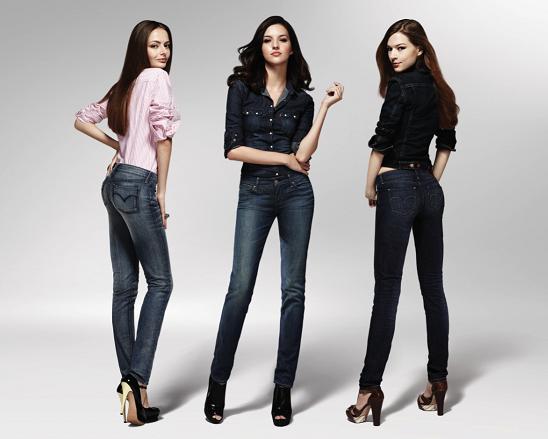
Ever stood in front of a mirror, wrestling with a pair of jeans that justdidn'tfeel right? We've all been there. It's frustrating, especially when you see those same jeans looking amazing on someone else. The truth is, finding the perfect pair isn't about fitting into a certain size or following rigid trends; it's about understanding your unique shape and choosing denim that celebrates it. Think of it as finding a sartorial soulmate – jeans that make you feel confident, comfortable, and effortlesslyyou. Let's ditch the denim drama and unlock the secrets to finding those forever-favorite jeans!
My Denim Journey: From Frustration to Freedom
For years, I treated jean shopping like a chore. I'd grab whatever was on sale, squeeze into a size I thought Ishouldbe, and then spend the day tugging, adjusting, and generally feeling uncomfortable. It wasn't until I started paying attention to the cuts, washes, and rises, rather than just the size, that things began to click. I realised that what looked great on a mannequin might not necessarily work for my curves – and that was perfectly okay! Learning to dressformy body, rather thanagainstit, was a total game-changer. Now, I actually enjoy the hunt for the perfect jeans, and I want to share what I've learned to help you find your own denim bliss.
Okay, so where do we even begin? Let’s break it down into manageable steps.
1. Know Your Shape
This is the foundation of finding flattering jeans. Are you an apple, pear, hourglass, rectangle, or inverted triangle? Understanding your body shape isn't about labeling yourself; it's about identifying where you carry your weight and how your proportions balance out.
Apple Shape: Typically, you have broader shoulders and bust, with a less defined waist and slimmer hips. Pear Shape: Hips are wider than your shoulders and bust. Hourglass Shape: Bust and hips are roughly equal, with a well-defined waist. Rectangle Shape: Shoulders, bust, waist, and hips are roughly the same width. Inverted Triangle Shape:Shoulders are broader than your hips.
Once you've identified your shape, you can start to look for jeans that will accentuate your best features and create a balanced silhouette.
2. Decode the Denim Lingo
Jeans come in a dizzying array of styles, washes, and rises. Let's simplify some of the key terms: Rise: This refers to the distance from the crotch to the top of the waistband. Low-rise jeans sit below the hips, mid-rise jeans sit at the hips, and high-rise jeans sit at the natural waist. Wash: This refers to the color and treatment of the denim. Dark washes are generally more slimming and versatile, while light washes tend to be more casual. Washes can range from raw denim (untreated) to heavily distressed. Cut/Style: This refers to the shape and fit of the jeans. Common styles include: Skinny Jeans: Fitted throughout the leg, from hip to ankle.
Straight-Leg Jeans: Fitted through the hip and thigh, then straight down from the knee.
Bootcut Jeans: Fitted through the hip and thigh, then slightly flared from the knee.
Flare Jeans: Similar to bootcut, but with a more dramatic flare.
Wide-Leg Jeans: Loose and wide from hip to ankle.
Boyfriend Jeans: Relaxed and slightly baggy, often with a lower rise.
Girlfriend Jeans: A more fitted version of boyfriend jeans.
Mom Jeans: High-waisted, relaxed fit through the hip and thigh, and tapered at the ankle.
3. Finding the Right Jeans: Style Guide Tailored to Your Shape
Now that you know your shape and the denim lingo, let's connect the dots. Here are some general guidelines for finding the most flattering jeans for different body types: Apple Shape: Look for jeans that create a more defined waistline and balance your proportions. Mid-rise to high-rise jeans with a slight bootcut or flare can be very flattering. Avoid skinny jeans that emphasize your upper body. Dark washes are your friend! Pear Shape: Aim to balance your hips and draw attention upward. Bootcut or flared jeans will balance wider hips. Dark wash denim will also create a slimming effect. Avoid styles that are too tight around the hips and thighs. A higher rise can also help create a more defined waist. Hourglass Shape: You can rock almost any style! High-waisted jeans will accentuate your waistline and highlight your curves. Skinny jeans, straight-leg jeans, and even wide-leg jeans can all look great. Just be mindful of the fit through the hips and thighs. Rectangle Shape: Create curves and add dimension. Jeans with details like pockets, whiskering, or distressing can add visual interest. Boyfriend jeans, wide-leg jeans, and jeans with a slight flare can add shape. A mid-rise will help create the illusion of a curvier figure. Inverted Triangle Shape:Balance your broader shoulders with volume on the bottom. Wide-leg jeans, flare jeans, or even boyfriend jeans can help create a more balanced silhouette. Look for jeans with interesting details like pockets or embellishments on the hips to add width.
4. The Fabric Matters
Don't overlook the fabric composition of your jeans. Look for jeans with a bit of stretch (usually a blend of cotton and elastane) for a more comfortable and forgiving fit. Rigid denim (100% cotton) can be more structured and durable, but it may not be as comfortable for everyday wear. Consider the weight of the denim as well – heavier denim is generally more durable and structured, while lighter denim is more breathable and comfortable in warmer weather.
5. Don’t Be Afraid to Tailor
Let's face it: jeans that fit perfectly off the rack are rare. Don't hesitate to take your jeans to a tailor to get them altered for a perfect fit. Even a simple hem can make a huge difference. A tailor can also adjust the waist, hips, or thighs to create a more customized fit. It's a small investment that can pay off big time in terms of comfort and confidence.
6. Try, Try, Try (and then Try Again)
The most important tip is to try on as many pairs of jeans as possible. Don't get discouraged if the first few pairs don't work out. Finding the perfect jeans takes time and patience. Experiment with different styles, washes, and rises until you find what makes you feel amazing. And remember to shop at different stores and brands – sizing and fit can vary widely.
People Also Ask:
What's the most universally flattering jean style?
Honestly, there's no single "most flattering" style for everyone. However, a well-fitting straight-leg jean with a mid-rise is often a good starting point for many body types. It offers a classic and versatile silhouette that can be dressed up or down. The key is to find a pair that fits well through the hips and thighs and has the right length for your height.
How do I prevent gaping at the back of my jeans?
Gapping at the back waistband is a common problem, especially for those with a more pronounced curve in their lower back. Look for jeans with a contoured waistband or a higher rise in the back. You can also try sizing down (but make sure they still fit comfortably in the hips and thighs). If all else fails, a tailor can easily take in the waistband to eliminate the gapping.
What's the best way to care for my jeans to make them last longer?
Wash your jeans as little as possible to prevent fading and wear. When you do wash them, turn them inside out and use cold water and a gentle detergent. Avoid using the dryer, as it can shrink and damage the fabric. Instead, hang them to dry. If you want to freshen them up between washes, you can try spot cleaning or steaming them.
Finding jeans that truly fit and flatter your figure is a journey, not a destination. There are many details that affect how a pair of jeans look and feel, so keep experimenting until you find the style that best suits you.
So, embrace the process, be patient with yourself, and remember that the "perfect" pair of jeans is the one that makesyoufeel confident and comfortable in your own skin. Don't be afraid to step outside your comfort zone and try something new – you might just surprise yourself! Happy denim hunting!